
Cultured in Hyriopsis mussels in rivers, lakes and ponds, mostly in China. Usually 6 to 12 mm, in white and soft pastels, and because most are grown from a piece of tissue rather than a bead, they are almost solid nacre.
Types of pearls
Nineteen kinds of pearls, from the four you see in every jewelry store to rare natural pearls from conch, melo and quahog. Sizes, colors and growing facts from GIA.
All types of pearls

The classic white pearl strand. Saltwater pearls from the akoya oyster, grown mainly in Japan, Vietnam and China, usually 6 to 9 mm and prized for round shapes and sharp luster.
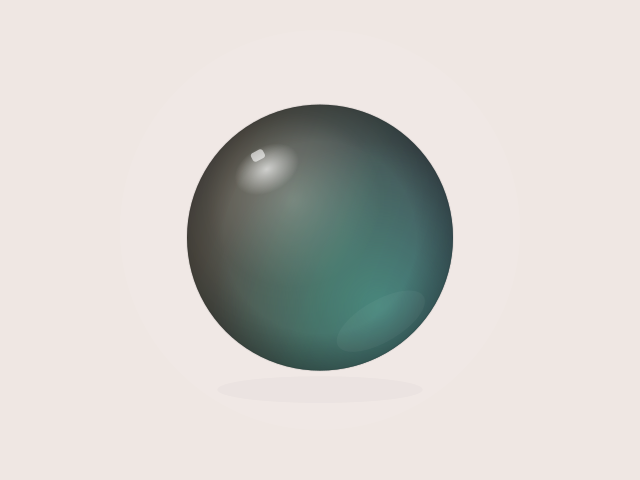
The "black pearls." Saltwater pearls from the black-lipped oyster in French Polynesia, usually 8 to 14 mm, in charcoal, silver, green and brown with overtones such as peacock, cherry and aubergine.

The largest of the main cultured pearls. Grown in Pinctada maxima oysters off Australia, Indonesia and the Philippines, usually 8 to 18 mm, with thick nacre and a soft, satiny glow.
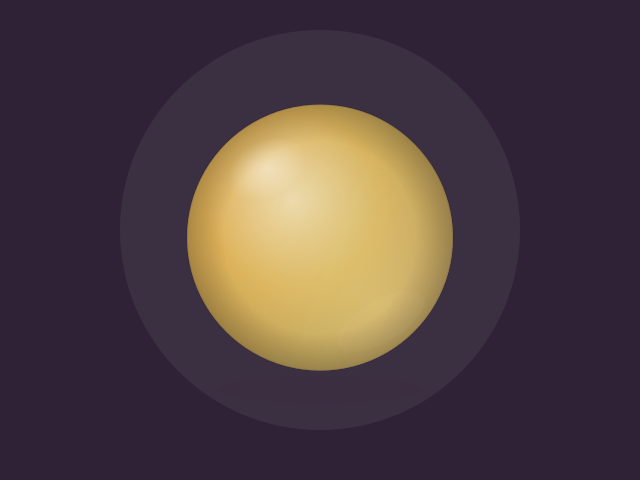
South Sea pearls from the gold-lipped form of Pinctada maxima, in colors from pale champagne to deep gold. Large and thick-nacred, and the deep golds are the ones most worth checking for dye.
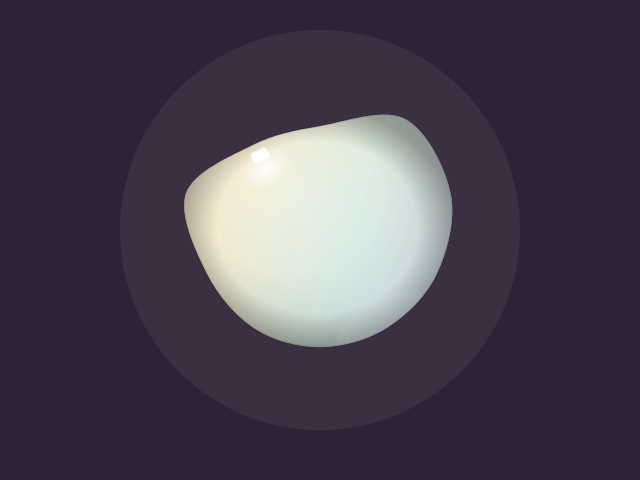
Small, bead-free pearls that grow by accident when oysters are cultured. Mostly solid nacre, often baroque and very lustrous. The name means "poppy seed" in Japanese.
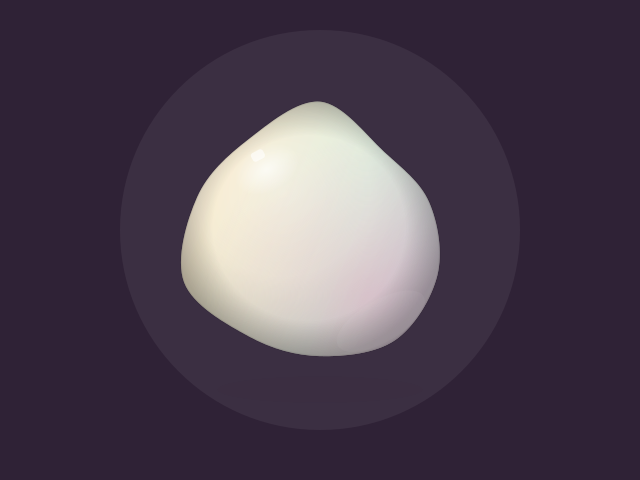
Not a type but a shape: any pearl that is clearly asymmetrical. Baroque pearls come from freshwater and saltwater mollusks alike, and the irregular surface often catches light in a way round pearls cannot.
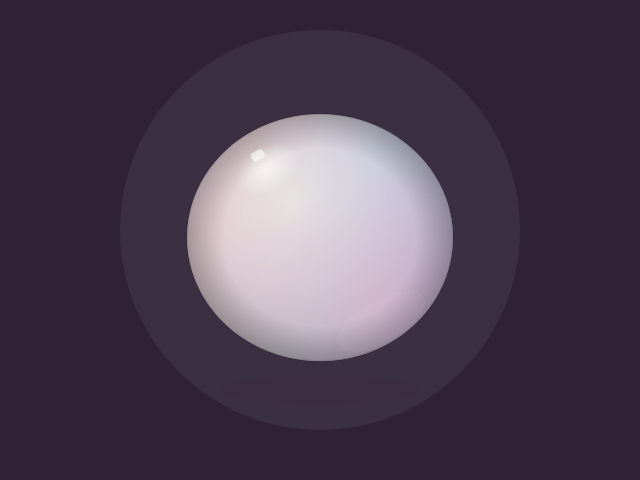
Big, bead-nucleated freshwater pearls, about 11 to 16 mm or more. The bead makes them rounder than ordinary freshwater pearls.
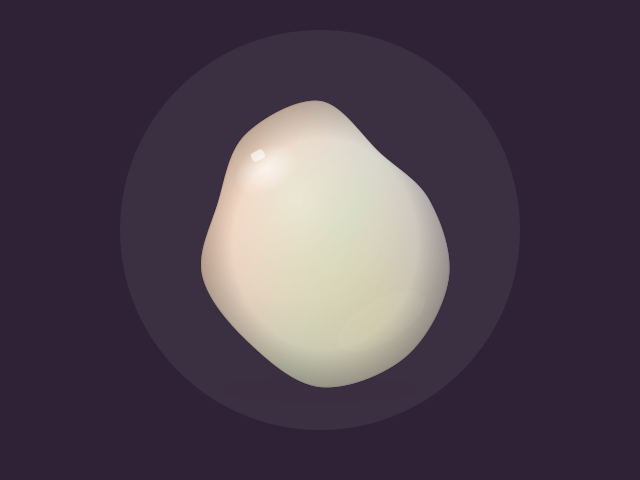
Very large baroque freshwater pearls from China, about 16 to 23 mm. GIA lists them as one of the baroque forms freshwater pearls come in.
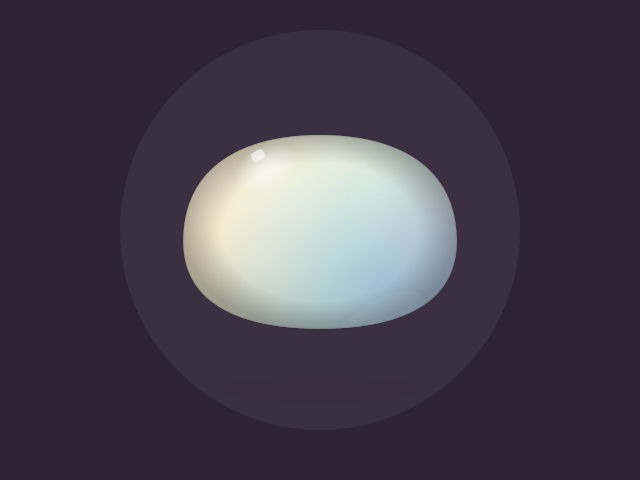
Half-round assembled cultured blister pearls: a thin nacre dome over a mother-of-pearl bead, filler and a mother-of-pearl base. Pretty and affordable, but fragile, so better for earrings and pendants than rings.
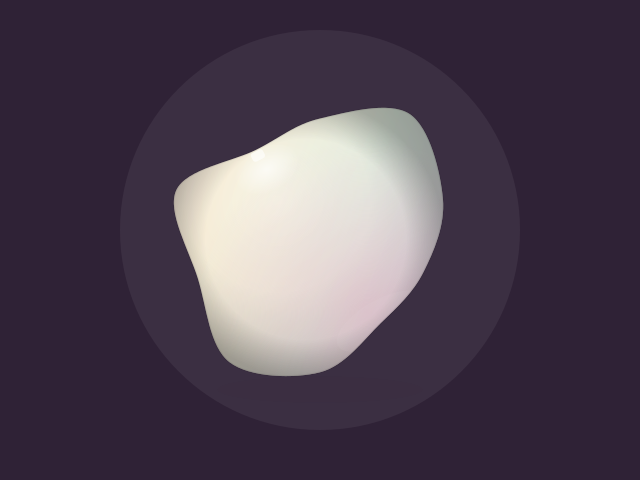
Japan's historic freshwater pearls from Lake Biwa, the country's largest lake. Culturing began in 1935, output reached six to seven tons a year in the 1970s, and supply faltered from about 1982.
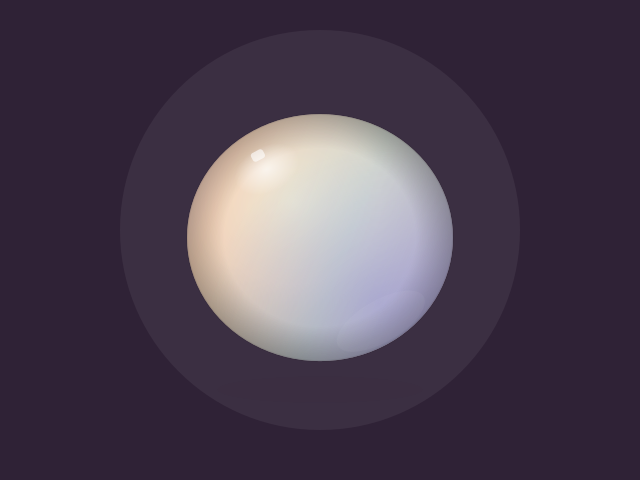
Rare bead-nucleated freshwater pearls from Lake Kasumigaura, Japan, 60 km northeast of Tokyo. Typically 11 to 15 mm, known for rainbow iridescence, with output under 40 kg a year since 2013.
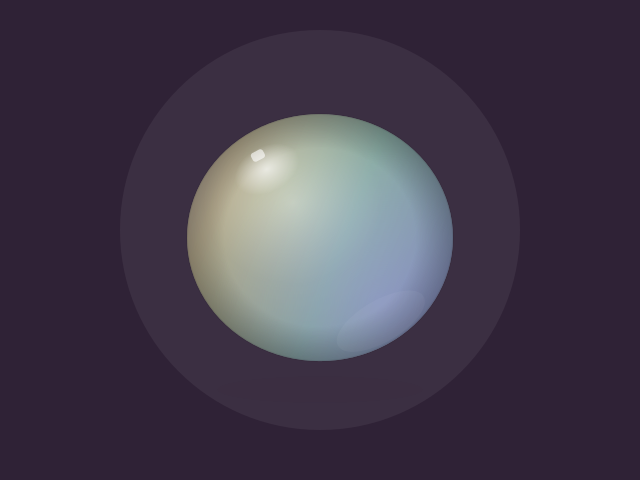
Rare cultured pearls from Mexico's rainbow-lipped oyster, grown near Guaymas, Sonora. Brown to dark gray with violet, blue, yellow and green overtones, in very small numbers.
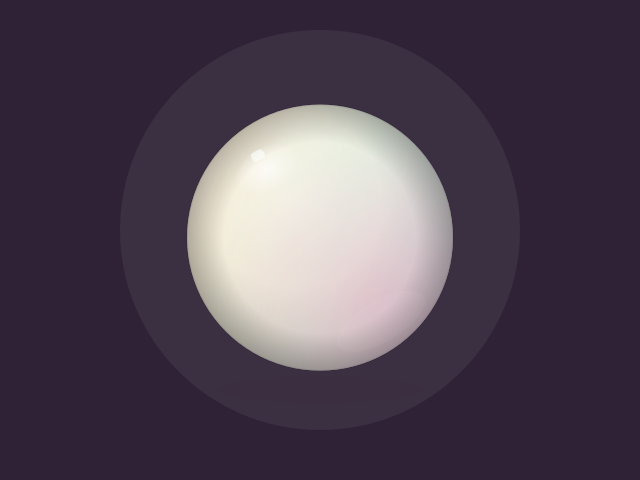
Real pearls grown with human help: a person places a bead or a piece of tissue inside the mollusk, and the mollusk coats it with nacre. Almost every pearl sold today is cultured.
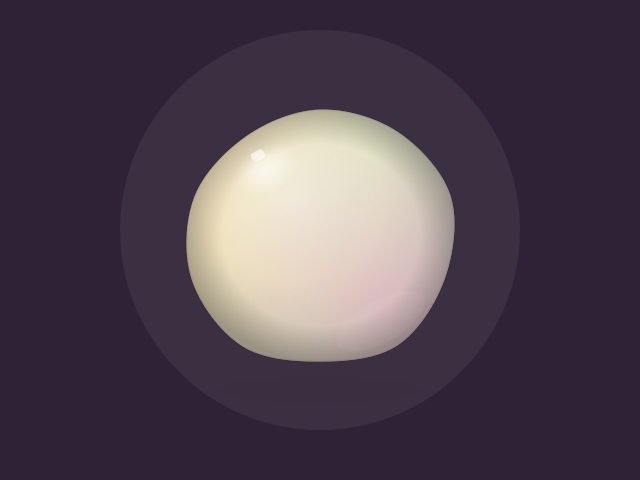
Pearls that formed inside a mollusk with no human help. Rare today because natural pearl beds were overharvested, and the only reliable way to confirm one is a lab test with X-rays.
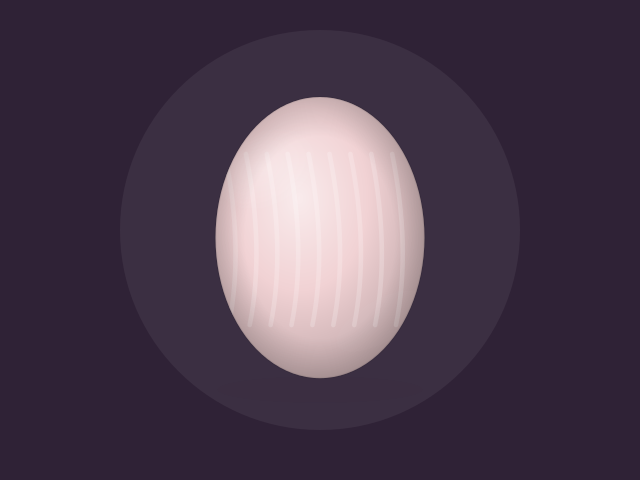
Natural, non-nacreous pearls from the queen conch. Instead of the glow of nacre they have a porcelain-like surface, and the best show shimmering "flame" patterns.
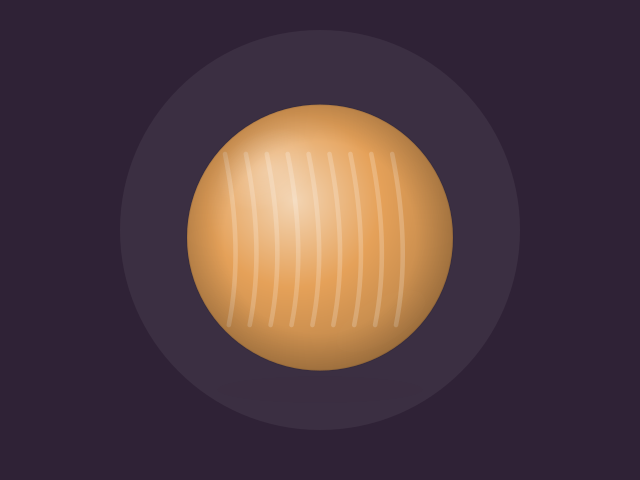
Natural, non-nacreous pearls from Melo sea snails, usually yellowish orange, with visible flame patterns. They cannot be confused with ordinary pearls once you have seen one.
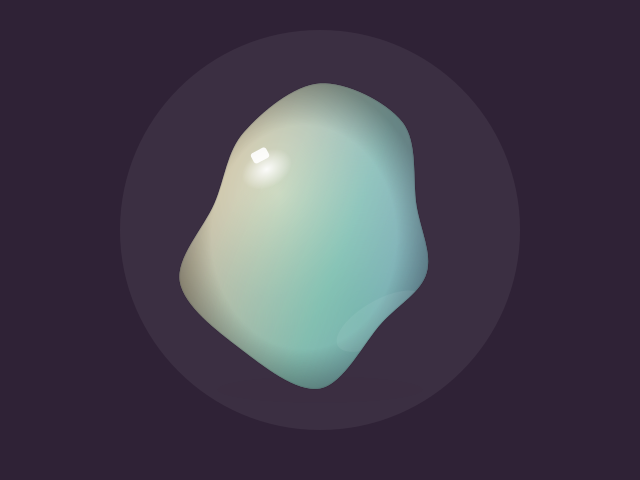
Natural pearls from abalone, usually blue, green or yellowish green with intense multicolored iridescence, and commonly baroque with horn-like points.
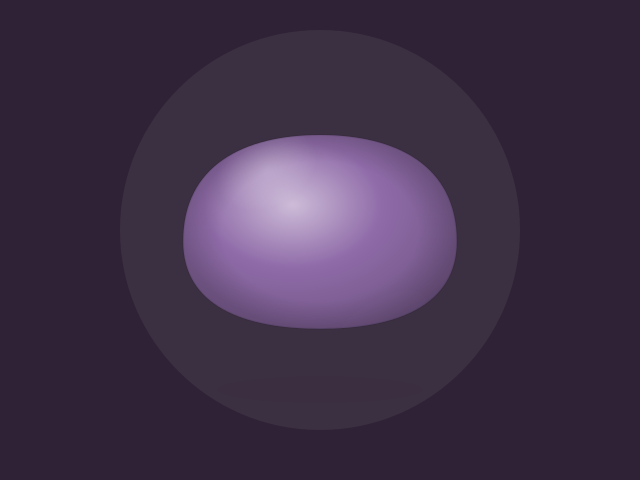
Rare natural, non-nacreous pearls from the northern quahog clam, in white, light gray and purples. Most are lost because clams are shucked by machine.