Where black pearls come from
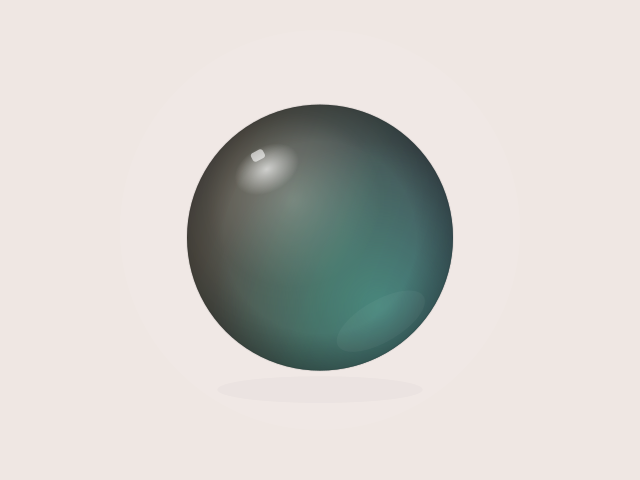
"Black pearls" almost always means Tahitian pearls, from the black-lipped oyster in French Polynesia. GIA notes they are not truly black: the bodycolors are charcoal gray, silver, green and brown, often with peacock, cherry or aubergine overtones.
Pearl types with this color
- Tahitian pearls: 8 to 14 mm; over 14 mm is less common
Natural or treated?
A black or dark gray cultured pearl under 8 mm is likely a dyed akoya or freshwater pearl (Jewelry Business). Some dark pearls are dyed with silver compounds, which a lab can detect (GIA).
More on pearl treatments, or build this color yourself in Pearl Studio.
Pearls that come in this color
Frequently asked questions
Are black pearls natural?
They can be. "Black pearls" almost always means Tahitian pearls, from the black-lipped oyster in French Polynesia. A black or dark gray cultured pearl under 8 mm is likely a dyed akoya or freshwater pearl (Jewelry Business).
Questions from readers
Question about Black pearls? Ask it here. We answer the useful ones on this page.
Ask a question
Sources
- GIA: Differences between pearl types
- GIA: An introduction to gem treatments
- Jewelry Business: Detecting pearl imitations and treatments
- GIA Gems & Gemology: "Chocolate" Tahitian cultured pearls
Checked October 22, 2026.